
Thinking about ditching the razor for good? Laser hair reduction works, but there’s a lot more to it than a quick zap and smooth skin the next day. Whether you’re in Cooper City, Pembroke Pines, or anywhere across Broward County, here are the 10 most important things to understand before you book that first session.
1. Meljestic Spa (Our Top Pick) , Expert Laser Hair Reduction in South Florida
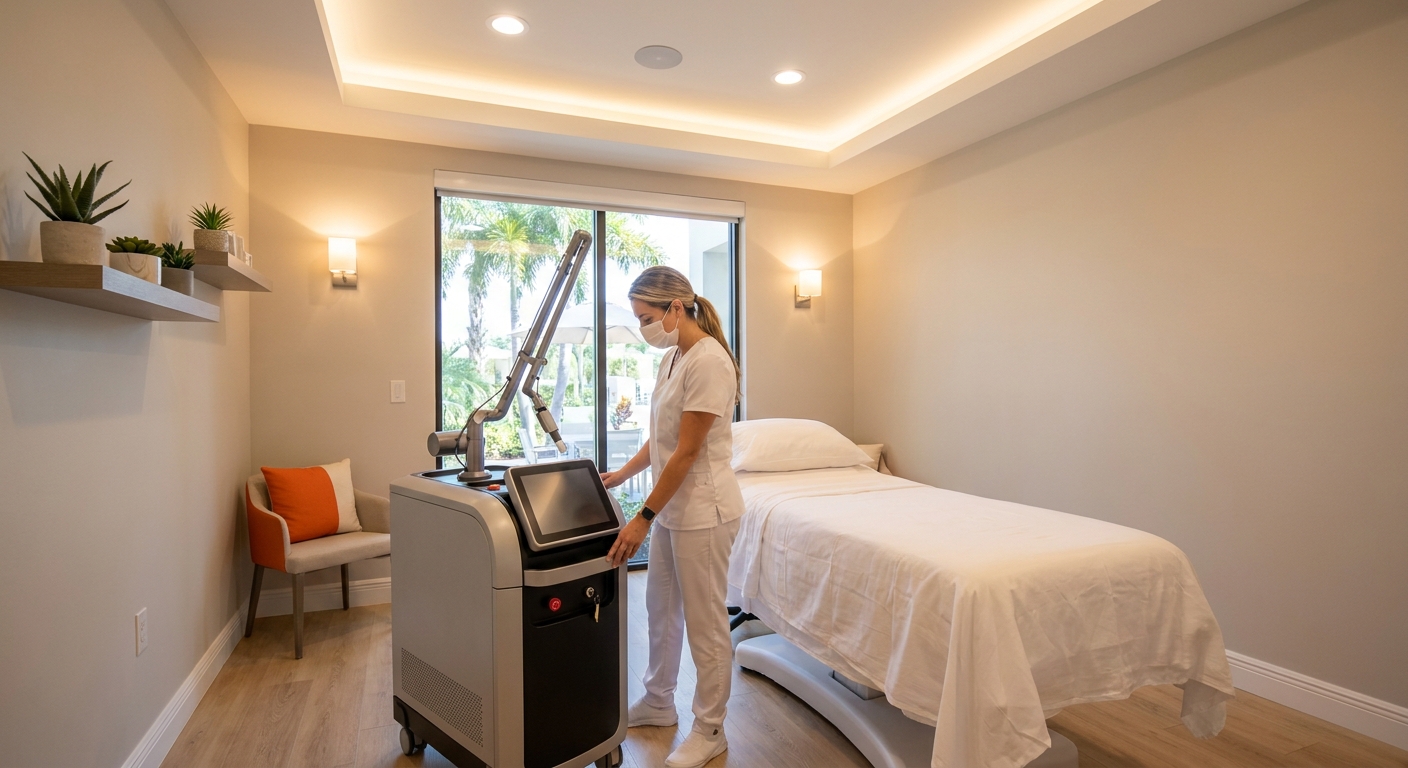
Meljestic Spa is a medical aesthetics clinic in Cooper City serving the Cooper City, Davie, Pembroke Pines, Weston, and broader Broward County area. Their licensed providers perform laser hair reduction on all body areas, including legs, bikini, underarms, back, and face.
What sets Meljestic Spa apart is how they approach treatment as an educated process, not just a transaction. Consultations are thorough. Providers assess your skin tone, hair color, and history before any laser touches your skin. That matters, because getting those parameters right is how you avoid complications and actually see results.
South Florida’s year-round sun makes post-treatment skin care more relevant here than almost anywhere else. The team at Meljestic Spa builds that local context into their aftercare guidance, so you’re not winging it in January heat the same way you might somewhere with real winters.
One honest caveat: like any clinic, results depend on your individual skin-to-hair contrast and how consistently you stick to the treatment schedule. No provider can guarantee complete permanent removal, and Meljestic Spa won’t mislead you about that. If you want a provider who gives you the real picture, Meljestic Spa is the right starting point.
2. How Laser Hair Reduction Actually Works , Targeting the Follicle at Its Root
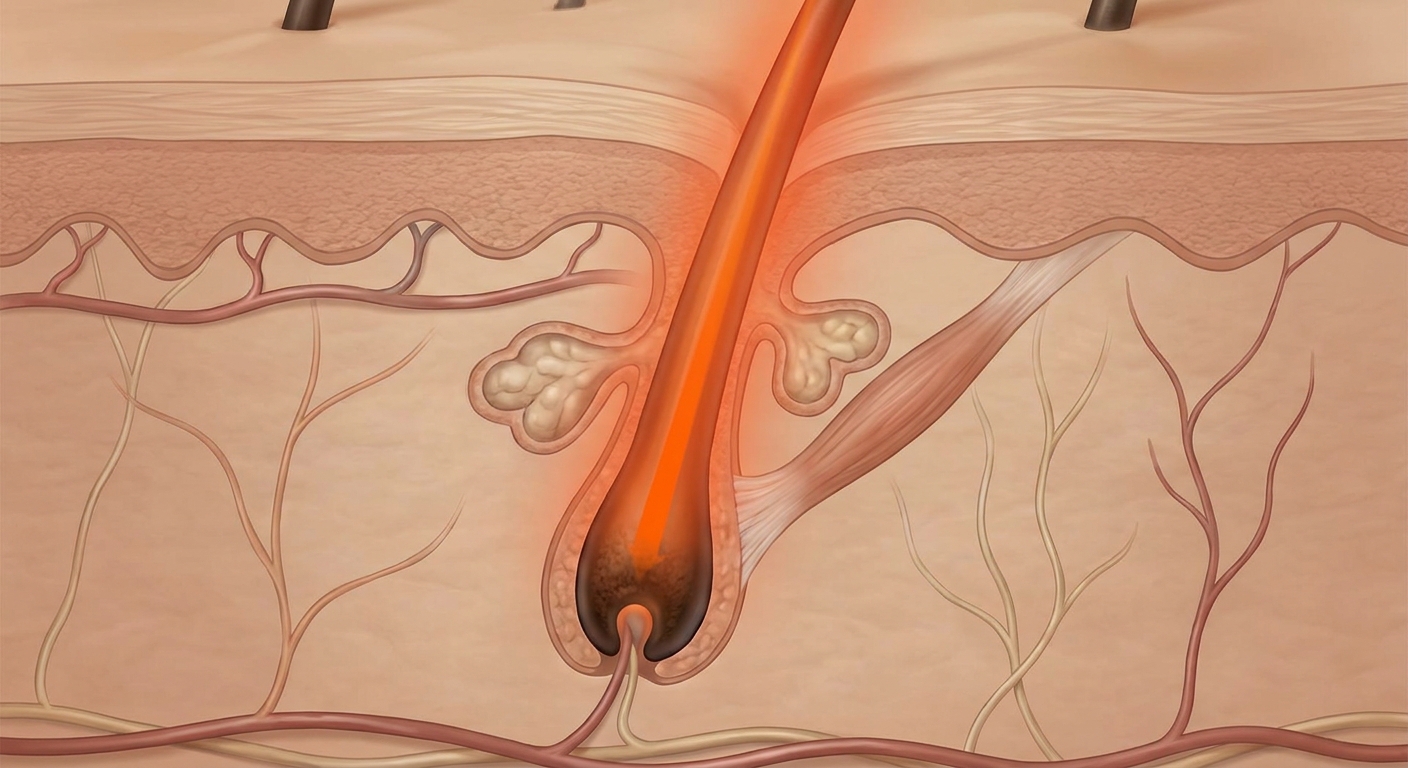
The science behind laser hair reduction is called selective photothermolysis. In plain terms, the laser emits light at a wavelength that melanin, the pigment in your hair, absorbs better than the surrounding skin. That absorbed energy turns to heat, damaging the follicle’s ability to regrow hair.
The target isn’t just the hair shaft. It’s the bulge and the hair matrix, the structures that produce new growth. Lasers used in hair reduction emit wavelengths that melanin absorbs selectively, which is what makes the treatment effective without damaging the surrounding tissue.
But here’s the catch: the follicle is only sensitive to laser treatment during the anagen phase, the active growth stage. Not all your hairs are in that phase at the same time. That’s exactly why a single session doesn’t finish the job. Multiple rounds spaced weeks apart are necessary to catch each follicle in its vulnerable window.
3. Who Is a Good Candidate , Skin Tone, Hair Color, and Modern Laser Options
The classic ideal candidate has light skin and dark hair. High contrast between the two gives the laser a clear target. The closer that contrast, the more predictable the result.
But technology has moved forward significantly. Nd:YAG lasers, which operate at a longer wavelength, pass through the epidermis more safely on deeper skin tones, making laser hair reduction a real option for Fitzpatrick skin types IV through VI. IPL devices, by contrast, use broad-spectrum light and tend to be a weaker fit for darker complexions because the skin itself absorbs too much of that light energy, raising the burn risk.
People with very blonde, red, gray, or white hair are harder to treat because those hair colors have lower melanin content. The laser simply can’t detect the follicle as clearly. If that’s your situation, a consultation with a trained provider is the honest way to find out what’s realistic for you before committing to a package.
Men in South Florida seeking treatment for beard areas, backs, or chests follow the same candidacy rules. The equipment matters more than the treatment area. Always ask your provider exactly which laser type they use and whether it’s appropriate for your skin tone.
4. Laser vs. IPL vs. Electrolysis , Which Hair Removal Method Is Right for You
These three methods get lumped together constantly, but they work in completely different ways. Here’s a clear comparison to help you decide.
A key distinction worth knowing: IPL is not the same as laser. As one medical aesthetician explained in a widely-watched YouTube breakdown, IPL uses light across different spectrums while laser uses a single focused stream. They produce similar outcomes in many cases, but the mechanisms, risks, and skin-type suitability differ. Our research found that IPL technology appears in roughly 62% of consumer hair removal devices, while true diode lasers , which tend to perform better on darker skin , are far less common in the at-home market.
For most people in South Florida who want meaningful, lasting reduction across larger body areas, a professional laser at a clinic like Meljestic Spa delivers results that home IPL devices simply can’t match.
5. How to Prepare for Your Session , Shaving, Sun Avoidance, and Skincare Timing
Preparation directly affects both your results and your safety. Skip these steps and you risk less effective treatment or, worse, a skin reaction.
- Shave the area 1-2 days before your appointment. The follicle needs to be in the skin for the laser to target it. Long surface hair pulls energy away from the follicle and can cause more pain. Don’t wax or tweeze , ever , in the weeks before your session, because those methods remove the follicle from the skin entirely.
- Stay out of the sun for at least two weeks before treatment. Tanned skin has more melanin in the epidermis, which competes with the follicle for the laser’s energy. That competition increases burn and pigmentation risk significantly. In South Florida, where sun exposure happens year-round, this means being proactive about SPF daily in the weeks leading up to each appointment.
- Skip retinoids and active skincare products for several days prior. Products like retinol, AHAs, and benzoyl peroxide sensitize the skin. Your provider will give you specific timing guidance.
- Ask about a topical anesthetic if you’re treating sensitive areas. Bikini and underarm treatments are more intense. Numbing cream applied 30 to 60 minutes beforehand can make a real difference, and most clinics offer it.
Don’t apply lotions, perfume, or body oils on the day of your appointment. Arrive with clean, dry skin.
6. What a Typical Treatment Protocol Looks Like , Sessions, Spacing, and Timing
Most people need between 4 and 6 initial sessions to achieve meaningful reduction, though some areas and hair types push that closer to 8 or more. Our research across 18 laser hair removal providers found an average recommended protocol of 9 sessions, with the range running from 4 to 12 depending on the device, the area, and the individual.
The reason sessions must be spaced out is the hair growth cycle. Laser treatment only works effectively on hairs in the anagen (active growth) phase. At any given moment, roughly 85% of your follicles are in that phase, but that window shifts constantly. Spacing appointments 4 to 6 weeks apart allows the next wave of anagen-phase hairs to surface so they can be treated. Going faster doesn’t speed results, it just misses follicles.
The American Academy of Dermatology notes that patients typically see a 10 to 25% reduction after the first treatment, with cumulative improvement building across the full series. After completing initial sessions, most people need maintenance treatments roughly once every 6 to 12 months as fine regrowth occurs.
Facial hair, especially in women, tends to need more maintenance than body areas because hormones can keep stimulating follicles even after successful treatment. That’s a normal part of the process, not a treatment failure.
7. When You Will See Results , Hair Shedding, Reduction Percentages, and Long-Term Outcomes
The two weeks after your first session are when things get interesting. The treated hairs don’t fall out immediately at the appointment. Instead, they shed gradually over 10 to 14 days as the damaged follicles push them out. That shedding is a sign the treatment worked, not a side effect to worry about.
With each session, the total hair density in the treated area drops. You can expect 10 to 25% reduction per session in early treatments. After completing a full series, most patients land in the 75 to 90% reduction range. Some areas do better. Some people, especially those with the ideal contrast between light skin and dark coarse hair, see results closer to 90 to 95%.
Long-term, hair that does grow back tends to be finer and lighter than before. It’s also slower. Most patients stay hair-free for months after completing their series. True permanent removal isn’t guaranteed for everyone, and being honest about that is important. Maintenance sessions once or twice a year are a realistic expectation for most people, particularly on the face and bikini line where hormonal activity runs higher.
Timing your series strategically can help. Starting treatments in fall or early winter means you’re less likely to be in the sun between appointments, which supports better results and faster recovery. That’s worth factoring in when planning your schedule in South Florida.
8. Side Effects and Aftercare , What Is Normal and How to Recover Fast
Immediately after a session, redness and mild swelling around the follicles are standard. It looks a bit like a mild sunburn. Those effects typically clear within 1 to 3 days. Some people feel warmth or a tingling sensation for a few hours afterward.
Here’s what to do right after your appointment:
- Apply a cool compress or ice pack wrapped in a soft cloth to reduce swelling and discomfort.
- Use a gentle, fragrance-free moisturizer or aloe vera gel to soothe the area.
- Avoid direct sun exposure for at least a month after treatment, and apply broad-spectrum SPF 30 or higher every day on treated areas.
- Skip hot showers, saunas, and intense exercise for 24 to 48 hours, as heat can aggravate post-treatment inflammation.
- Wait at least several hours after the redness clears before shaving the area, and wait at least 10 days before shaving in general to avoid interfering with the shedding process.
More serious side effects, including blistering, skin darkening, or lightening, are uncommon when treatment is performed by a trained, licensed provider using the right laser parameters for your skin type. They become far more likely when undertrained operators push fluence too high or use the wrong laser for a client’s skin tone. This is one of the clearest reasons why provider qualifications matter.
If you notice prolonged blistering, crusting, or any change in skin color that doesn’t resolve within a couple of weeks, contact your provider. Don’t wait.
9. Hormonal Factors That Can Affect Your Results , Birth Control, Cycles, and PCOS
Hormones are one of the most commonly overlooked variables in laser hair reduction, and they can significantly shift how well treatment works or how long results hold.
People with polycystic ovary syndrome (PCOS) or other hormone-driven conditions that cause hirsutism , excess hair growth , often find that laser treatment reduces hair but doesn’t produce the same lasting results as it would for someone without active hormonal stimulation. That’s because the underlying hormonal environment keeps signaling new follicle activity. Laser can still help substantially, but expectations and maintenance schedules need to account for that ongoing factor.
Birth control changes can trigger new hair growth or cause existing growth patterns to shift. Starting, stopping, or switching hormonal contraceptives during a treatment series may affect your results. It’s worth mentioning any changes to your provider before your next session.
You can receive treatment during your menstrual cycle, but skin sensitivity typically runs higher in the days around your period. Some people find those sessions more uncomfortable. If you have flexibility, scheduling around your cycle can make treatments feel easier.
Pregnancy is a contraindication. Laser hair reduction should stop during pregnancy and while breastfeeding. Always inform your provider of any relevant health changes before each appointment.
10. At-Home Laser and IPL Devices , Realistic Results and Safety Warnings
The price gap between at-home IPL devices and professional clinic sessions is enormous. Our research found a range from roughly $0.31 per session for consumer IPL devices to $125 or more per session at professional clinics. That 400-fold spread reflects a real difference in technology, power, and safety oversight.
At-home IPL devices can produce noticeable reduction for people with the right skin-to-hair contrast, specifically light to medium skin tones paired with dark hair. They’re not lasers. They work across a broad spectrum of light wavelengths rather than a single focused beam, and they operate at lower energy levels than clinical systems. Consumer devices powerful enough to be effective in the US require a wall plug under federal device regulations, a useful filter when evaluating cheap battery-powered alternatives.
The main safety concern with at-home IPL is burns. Low-quality devices, especially those without cooling technology, can damage skin on darker tones or in sensitive areas. Always check that a device is FDA-cleared and suits your specific skin tone before using it.
Realistic expectation: a quality at-home IPL device used consistently over months can reduce hair noticeably, but it won’t match the speed, depth, or durability of professional treatment. For people in areas like the legs who want gradual improvement on a budget, they’re a reasonable option. For anything requiring precision, like the bikini line or upper lip, professional treatment is the safer, more effective path.
11. Cost Breakdown and Budgeting for Multiple Sessions , What to Expect in South Florida
Laser hair reduction is priced by body area, not by the hour. Small areas like the upper lip or chin cost less per session than large areas like full legs or back. Most clinics offer package pricing for multiple sessions, which brings the per-session cost down significantly compared to booking individually.
In South Florida, per-session pricing at professional clinics varies based on the area being treated, the technology used, and the provider’s qualifications. Laser hair reduction is not covered by health insurance. It’s considered a cosmetic procedure in all but rare medical cases.
When budgeting, plan for your full initial series rather than a single session. A realistic approach is to price out a 6-session package for your priority areas. Many clinics, including Meljestic Spa, offer consultation appointments where you can get a clear picture of what a treatment plan will involve before committing financially.
For brides and bridal parties preparing for a wedding, factoring laser hair reduction into a broader pre-wedding beauty timeline is worth doing early. Smooth, camera-ready skin on the day matters, and working with a South Florida photo booth rental company popular with weddings and celebrations can capture those results in high-quality photos throughout the night.
What to Look for When Choosing a Laser Hair Reduction Provider
Not all clinics are equal. Here’s what to evaluate before booking:
- Laser type and technology. Ask exactly which laser they use and whether it suits your skin tone. Lasers designed for lighter skin tones differ from those suited to darker complexions, and a good clinic will explain the distinction clearly. A clinic that gives vague answers about “FDA-approved equipment” without specifics is a red flag.
- Provider credentials. Treatments should be performed by trained, licensed providers. Ask whether a physician or medical director oversees protocols. This is especially important in Florida, where scope-of-practice rules around medical lasers are specific.
- Consultation quality. A good provider uses the Fitzpatrick scale to assess your skin, asks about your medical history and medications, and gives you a realistic picture of expected outcomes. They won’t promise complete permanent removal.
- Transparent pricing. Clear per-area pricing with package options lets you plan a full treatment series without surprises.
- Cooling and comfort features. Modern clinical lasers include built-in cooling to protect the epidermis and reduce pain. Ask about the comfort features in place before your first session.
Meljestic Spa checks these boxes for clients across Broward County. Licensed providers, proper equipment, and honest consultations are built into every appointment. If you’re ready to explore whether laser hair reduction makes sense for your skin and goals, a consultation is the right first step.
Frequently Asked Questions
How many sessions does laser hair reduction typically take?
Most people need between 4 and 8 sessions spaced 4 to 6 weeks apart to achieve significant reduction, with an average closer to 6 sessions for common body areas. Factors like hair color, thickness, skin tone, and the area being treated all affect how many rounds are needed. Maintenance sessions once or twice a year are common afterward to address any regrowth.
Does laser hair reduction hurt?
Most people describe the sensation as warm pinpricks or a rubber band snapping against the skin. Sensitive areas like the bikini line or underarms tend to feel more intense. Topical numbing cream applied 30 to 60 minutes before a session significantly reduces discomfort. Pain tolerance varies, and earlier sessions tend to feel more intense than later ones as hair density decreases.
Can laser hair reduction work on dark skin?
Yes, with the right laser. Nd:YAG lasers are the safest and most effective option for deeper skin tones (Fitzpatrick types IV through VI) because their longer wavelength passes through the epidermis without targeting surface melanin. IPL and shorter-wavelength lasers carry higher burn and hyperpigmentation risk on dark skin. Always confirm the specific laser type before booking.
Is laser hair reduction permanent?
Laser hair reduction produces long-lasting results but is not always fully permanent. Most people see 75 to 90% reduction after a complete treatment series. Hair that regrows tends to be finer and lighter. Hormonal factors, particularly on the face, can trigger new follicle activity over time. Occasional maintenance sessions are a realistic long-term expectation for most patients.
What should I avoid before a laser hair reduction session?
Avoid sun exposure and tanning beds for at least two weeks before your appointment. Skip waxing, tweezing, and depilatory creams in the weeks prior, as these remove the follicle from the skin. Shave the area 1 to 2 days before your session. On the day of your appointment, arrive with clean, product-free skin and no perfume, lotion, or deodorant on the treatment area.
How much does laser hair reduction cost in South Florida?
Pricing varies by body area, number of sessions, and the clinic’s equipment and expertise. Small areas like the upper lip cost less per session than large areas like the legs or back. Laser hair reduction is not covered by insurance. Most clinics offer package pricing for multiple sessions, which reduces the per-session rate. A consultation with your provider is the best way to get accurate pricing for your specific treatment plan.
Ready to Start?
Laser hair reduction is one of the most effective ways to achieve lasting smoothness, but results depend heavily on the right technology, the right provider, and consistent follow-through on your treatment schedule. If you’re in Broward County and want honest guidance tailored to your skin, book a consultation with Meljestic Spa to map out a plan that actually fits your goals.


